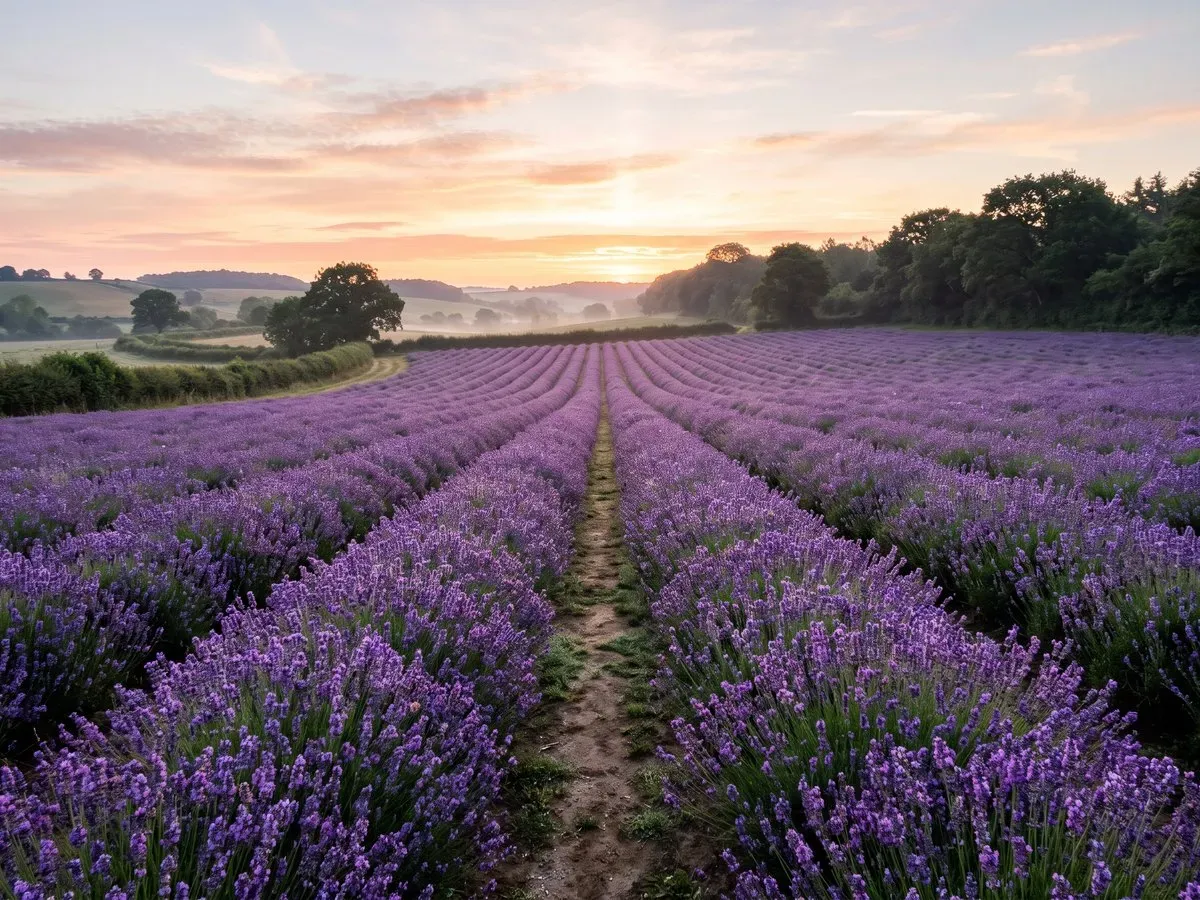
The alarm goes at four, and by five we are walking down a track between polytunnels with a mug of tea in one hand. The farm sits on the levels in Somerset, a few miles from the nearest town, and at that hour the only sound is the birds and the flap of the tunnel plastic in the wind. The fields are flat and wide, and on a clear morning the light comes up slowly behind the willow hedge.
First light in the tunnels
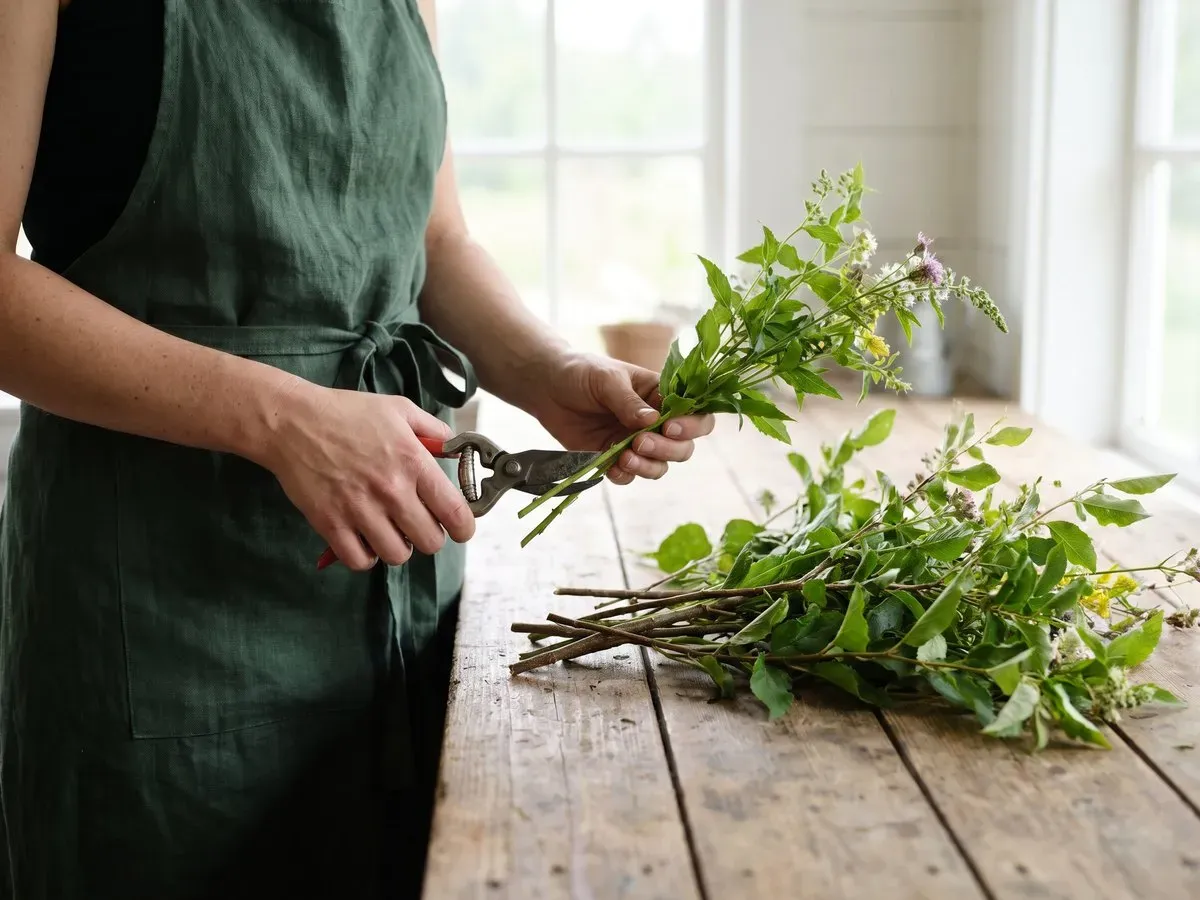
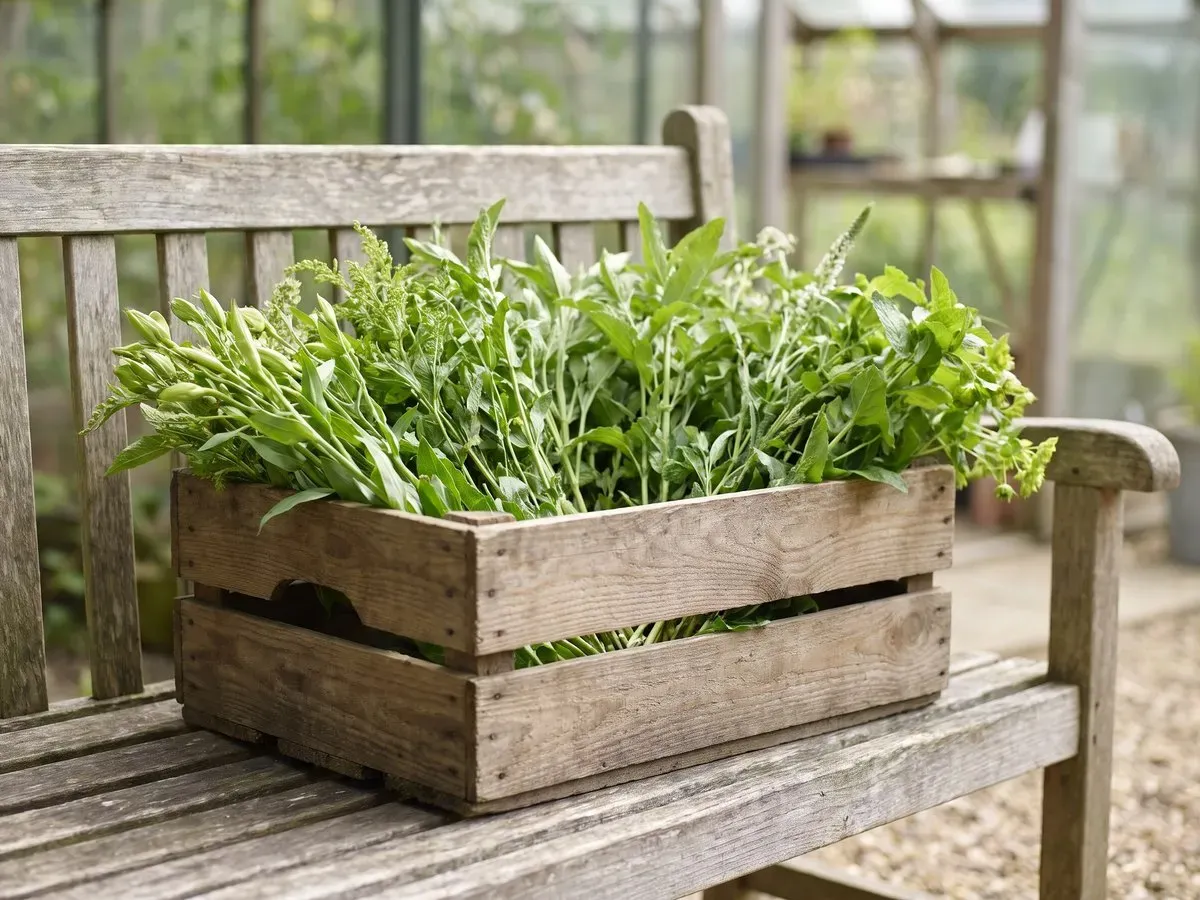
The first job is to open the tunnels and let the air through. The grower we buy from has been at this for more than twenty years, and she walks each row with a snips in her pocket, cutting only what is ready. Sweet peas are picked first, because they are best before the sun gets to them, then the stocks and the cornflowers. Everything goes into buckets of clean water and stands in the shade until the van comes. The buckets are washed and refilled every morning, which is a small job that makes a real difference to how the flowers last.
Why the early start matters
Flowers cut in the cool of the morning hold better than those cut at midday, when the plant is working hard in the heat. The grower checks each stem for damage and discards anything that is not good enough, which is why a bucket can look half empty by the time she is done. Nothing is wasted, though. The shorter stems go to a local school, and the rest go on the compost heap. By eight the sun is properly up, the tunnels are warm, and the picking is nearly finished for the day.
The rest of the morning
- Open the tunnels and check the temperature.
- Pick the flowers that are ready, row by row.
- Stand the stems in clean water in the shade.
- Grade and bunch what has been cut.
- Load the van for the drive to Bristol.
From farm to studio
The van reaches the studio in Bristol by mid morning, and the flowers are in the hands of our florists within the hour. That is the whole point of buying close to home. We know which field a bunch came from, and we can ask for more of something if a colour is working well. In winter, when the Somerset fields are quiet, some stems come from Dutch growers, and we say so on the product page. The rest of the year, the flowers in a Larkspur bouquet have often been in the ground within the past day or two.
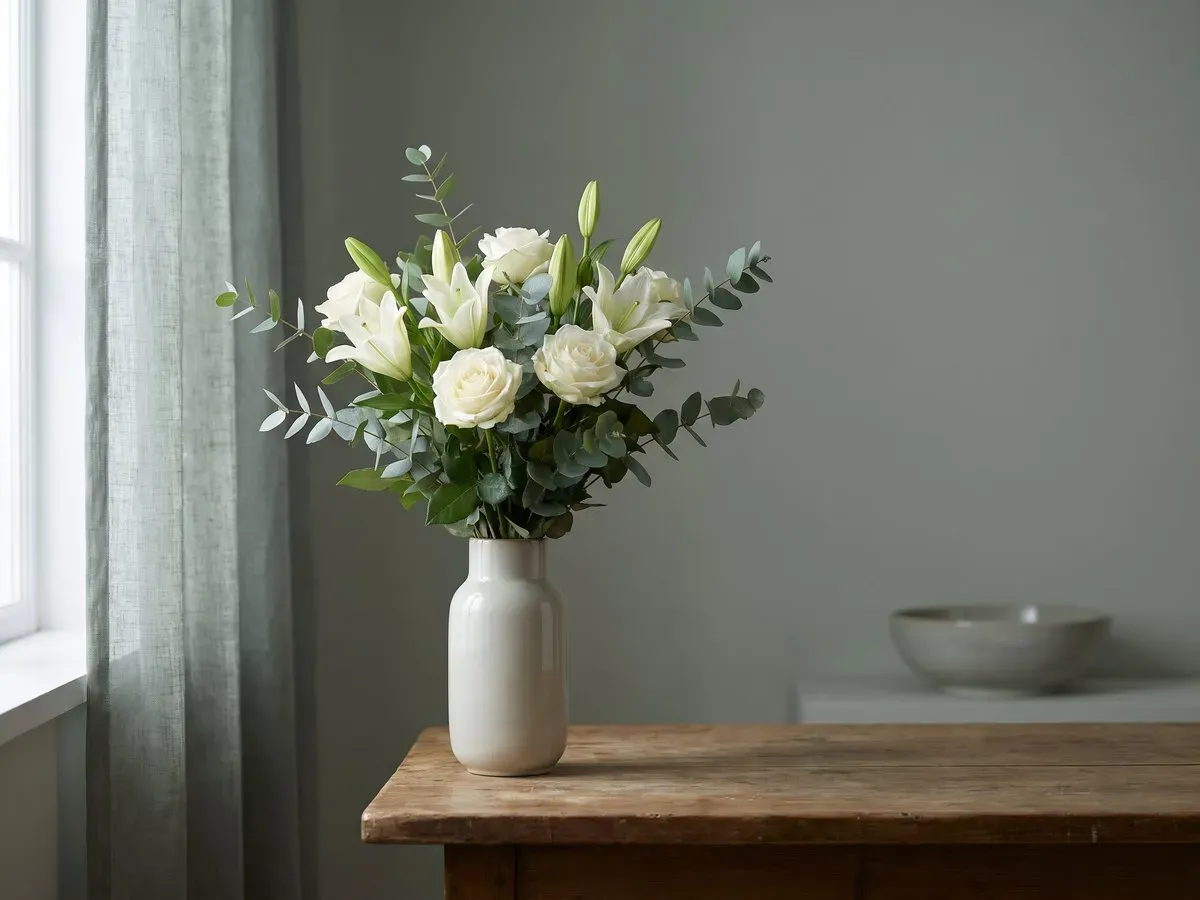
By the time the shop opens, the buckets are full and the first orders are being tied. The grower is already back in the tunnels, thinking about the next planting. It is a long day, and a good one. Seasonal flowers ask for that kind of attention, and it shows in the vase. Every order that leaves the studio carries a hand-written card, and we like to think the morning on the farm is part of what makes the message feel worth sending.